Markets · Union Post UK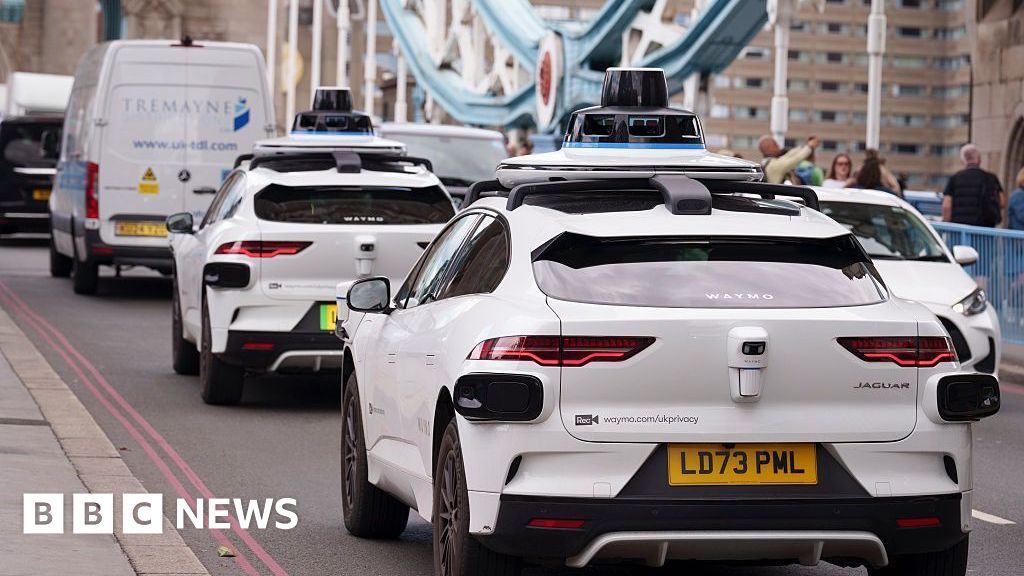
5 hours ago James W Kelly London Getty Images Autonomous vehicles are being tested on London's roads Driverless taxis could worsen congestion and threaten jobs, a report has warned, as it called for Transport for London (TfL) to be given greater powers to regulate the emerging industry. The London Assembly transport committee report said it had not heard enough evidence to be convinced the capital should welcome driverless cars. A committee-commissioned YouGov survey found 42% of 1,053 Londoners opposed driverless vehicles, while 29% supported them and 29% would be likely to use one.
TfL said any automated passenger service in London would need its consent, strong regulation and top safety standards, and must support the mayor's transport strategy. The Department for Transport (DfT) said safety was its priority and that self-driving vehicles would be introduced carefully, and subject to rigorous testing and regulatory approval. "London's streets are famously old, idiosyncratic and crowded, and before we open them up to a whole new category of vehicles it's essential to question the impact on Londoners," Caroline Russell, the committee's chair, said in the report, which calls for TfL to be able to issue and withdraw permits, impose conditions on operators and cap vehicle numbers when full regulations take effect in 2027.
It also warned driverless taxis could worsen congestion if they travelled long distances without passengers, and wants TfL to monitor and publish data on these "empty miles". The report also raised concerns about vehicles hesitating or making unexpected manoeuvres. It wants operators to show how their services could reduce road danger and report crashes and near misses within 24 hours.
The committee questioned how driverless vehicles would respond to emergencies, assaults and medical incidents. Waymo said passengers would have 24-hour remote assistance, while Wayve proposed an in-car button to contact trained staff. The committee questioned whether remote help would be sufficient in complex emergencies.
The report warned driverless passenger services would lead to long-term job losses among taxi and private hire drivers. It wants TfL to work with drivers, unions and operators on a transition plan covering retraining, redeployment and funding. The committee also recommended: TfL assess proposed services against the mayor's transport strategy and ensure they do not undermine its targets TfL work with the Metropolitan Police, London Ambulance Service and London Fire Brigade on a standard framework for driverless vehicles interacting with emergency services TfL research how autonomous vehicle technology could support London's wider transport goals, rather than focusing only on commercial driverless taxi services The App Drivers & Couriers Union (ADCU) welcomed the report's recommendations on protecting jobs and strengthening regulation.
Gholomreza Kamyabi, an Uber driver and member of the Independent Workers' Union of Great Britain's private hire driver union, said drivers were concerned about how they would support their families if they lost their jobs. "Every car currently feeds a family," he said. The committee also wanted TfL to involve disabled people in developing guidance and require operators to show their services have been designed with them.
Getty Images Wayve and Waymo say the technology will improve road safety A TfL spokesperson said: "We are already working with government, union and industry representatives to prepare for the introduction of this technology, and shape the framework for its safe use in the capital. "Any future service would need to support the aims of the mayor's transport strategy, including supporting public transport use, managing congestion, improving accessibility and contributing to Vision Zero. "We will continue to assess any proposals rigorously and ensure safety remains the overriding consideration."
Source: BBC